

Discovering Convention Center Technology Trends for 2026
Modern convention centers have become high-tech environments designed to maximize attendee engagement, connectivity and safety. From reliable WiFi access and real-time digital displays to IoT-powered booth experiences and hybrid event capabilities, the latest venues leverage technology to create seamless, interactive experiences.
So what does your venue need to stay on top of modern guest expectations? We’ve assembled nine of the most essential technology trends in hospitality for 2026, each supported by modern IoT technology. Read on to discover each, alongside what efficiencies they can deliver for attendees, organizers and exhibitors alike.
- Reliable Network Access Points Across Venues
- Real-Time Updates Within Event Screens
- Personalized Live Video Streaming
- Hybrid Conference Event Hosting
- Complimentary WiFi for Attendees, Built Into Event Pricing
- Customized Branded Network Landing Pages
- Increased Focus on Sustainability
- Interactive Booth Design
- IoT Security Integrations
1. Reliable Network Access Points Across Venues
WiFi access points refer to the networking devices that allow devices outside of a network (i.e. phones, tablets, laptops) to wirelessly connect for internet use. For users to gain consistent internet connectivity within a venue, convention centers need to skillfully and purposefully place access points throughout a venue.
Outdated convention centers often fail to offer reliable network access due to poor placement of access points. In older venues, access points are often either (or both):
- Placed too far apart from each other, creating dead zones within a venue that force attendees to “search for a signal” within hectic, crowded event spaces
- Placed in areas that obscure signals, such as behind an event fixture—further weakening the signal of already unreliable access points
It’s essential for modern convention centers to allow event attendees to access WiFi in any part of a venue. To do so, they need to avoid these common access point pitfalls and commit to expansive wireless access point placements. The Las Vegas Convention Center, for example, has 2,800 WiFi access points, providing facility-wide coverage that keeps guests, booths and exhibitors connected.
2. Real-Time Updates Within Event Screens
The image of modern convention centers is defined by vibrant screens; bulky, cumbersome physical signage has been replaced by adaptable monitors displaying information catered specifically to event attendees and leveraging skillful graphic design.
Digital signage offers all sorts of benefits for convention centers opposed to physical signage, including:
- Minimized waste created by one-time use pieces of physical signage
- Cut costs on expensive printed materials, often saving hundreds (if not thousands) of dollars
- Lowered manual set-up time required to put up and take down physical signage
Convention centers can also provide real-time event updates via digital signage—especially when connected to more adaptable access points. Whether via screen mirroring or more extensive software, event screens display updates such as:
- Room changes for important meetings and panels
- Timing reminders for keynote speakers and other events
- Wayfinding updates to guide attendees to places of interest within your venue
With these innovations and more, event screens powered by IoT offer valuable utility to event organizers.
3. Personalized Live Video Streaming
In sprawling convention centers, it can be difficult for attendees to catch every moment. Due to busy schedules, essential meetings may need to be held as an important speaker orates across a venue.
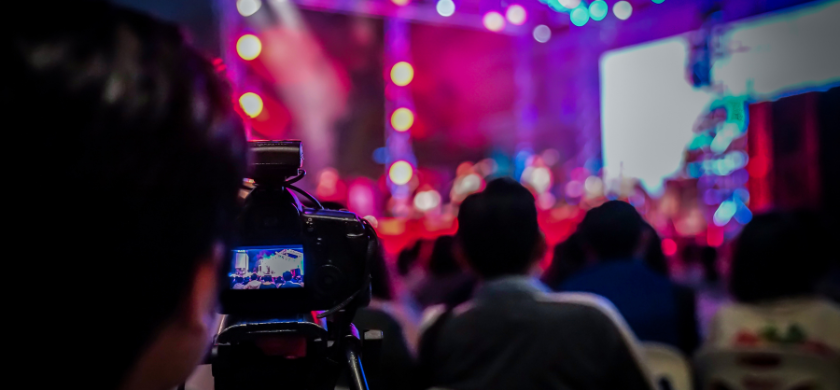
Minimize these sacrifices using IoT technology. Modern events often stream speakers for wider-spread consumption over the internet’ WiFi within convention centers allows attendees to view these streams even within a venue. Connected to convention center screens, event organizers can stream speakers throughout an event as they speak, allowing attendees to tune in and out as they need to and stay connected to convention happenings.
4. Hybrid Conference Event Hosting
Live streaming extends beyond the walls of your venue. Hybrid conference events are reshaping how organizations engage audiences both in person and online. By blending live, on-site experiences with virtual participation, hybrid events remove geographic barriers and significantly expand reach. For venues and organizers, this format delivers broader attendance, stronger engagement and more flexible participation options for attendees who can’t travel.
Key benefits of hybrid conference events include:
- Increased attendance by welcoming both in-person and remote participants
- Improved engagement through live streaming, interactive sessions and real-time polling
- Extended event value with on-demand content and post-event follow-ups
- Enhanced data insights from digital registrations, feedback and analytics
Hybrid events also make it easier to build momentum before, during and after the conference, helping organizers sustain engagement long after sessions end.

5. Complimentary WiFi for Attendees, Built Into Event Pricing
One concern convention centers often have about WiFi installation is network cost. Lightning-fast, high-bandwidth network options cost more than less reliable alternatives, and in turn occasionally force convention centers to pay a premium for services. These expenses put convention centers in a tough spot. Do event attendees have to pay for better WiFi? Should venues charge in tiers for WiFi access?
The industry is trending towards a far simpler solution—offering complimentary WiFi for attendees, pre-built into event pricing. As opposed to complicating engagement with different payment plans and flexible tiers, convention centers can offer one comprehensive WiFi option included with renting out the venue.
This shared experience is also expanding from guests to exhibitors; savvy network providers now offer a shared product that allows exhibitors to split bandwidth for a reliable, affordable product.
6. Customized Branded Network Landing Pages
Landing pages (also known as splash pages) are pages event attendees use to log onto WiFi networks, often requesting information such as name, cell phone number, or other verifying factors to ensure only event attendees access the WiFi. For large venues such as convention centers, landing pages serve as an essential step to secure your network. Their utility, however, expands beyond privacy.
Branded network splash pages turn traditional landing pages into an opportunity to market and can be especially useful for convention centers. Depending on the event, venues can advertise:
- Keynote speakers
- Premium experiences
- Expert panels
- Industry-specific whitepapers
- Upcoming events for similar demographics
These solutions and more help turn splash pages into valuable places that increase convention center ROI.
7. Increased Focus on Sustainability
Sustainable convention centers are becoming essential as the event industry embraces environmental responsibility and long-term resource stewardship. These venues integrate key green practices—from energy and water efficiency to waste reduction—helping reduce operational impact while enhancing attendee experience.
Top features of sustainable convention centers include:
- Green building certifications (like LEED) to benchmark performance and environmental design
- Smart waste management programs that minimize disposables and streamline recycling
- Energy-efficient maintenance using IoT and automation to monitor systems and reduce waste
- Water conservation strategies such as refill stations, smart sensors and drought-resistant landscaping
Technology plays a pivotal role in achieving sustainability goals, with connected systems providing data and automation that boost efficiency and visibility across operations. Partnering with experienced connectivity providers can unlock the full potential of sustainability initiatives while future-proofing facilities for years to come.
8. Interactive Booth Design
IoT-powered trade show booth design is redefining how exhibitors attract, engage and convert attendees on the show floor. By embedding connected technology directly into booth experiences, brands move beyond static displays and create interactive environments that capture attention and deliver measurable insights. From smart sensors to real-time analytics, IoT helps exhibitors better understand attendee behavior while creating more personalized, memorable interactions.
Key advantages of IoT-enabled trade show booths include:
- Enhanced attendee engagement through interactive screens, demos and touchpoints
- Real-time data collection on foot traffic, dwell time and visitor behavior
- Personalized experiences powered by connected devices and smart content delivery
- Improved ROI tracking with actionable insights tied to booth performance
Combined, these innovations in booth designs provide immense benefits for guests and exhibitors alike.
9. IoT Security Integrations
Ensuring safety and security at convention centers is critical for protecting attendees, staff and assets. Modern venues are adopting advanced technology and proactive strategies to prevent incidents while maintaining a welcoming environment for events of all sizes. From surveillance systems to access control, security measures must be robust, reliable and seamlessly integrated into the facility’s operations.
Key elements of effective convention center security include:
- Advanced surveillance systems with high-definition cameras and real-time monitoring
- Controlled access points to regulate entry and protect sensitive areas
- Emergency preparedness protocols for evacuations, medical events or other crises
- Integrated communication systems for rapid coordination among security teams
By combining technology, planning and training, convention centers can create a safe, secure environment that allows events to run smoothly and attendees to feel confident and protected.
Adapt to Convention Center Industry Trends With Hospitality Network
By integrating cutting-edge technology across network infrastructure, digital signage, streaming capabilities, IoT-enabled booths and security systems, convention centers can deliver a superior experience for all participants. These innovations create seamless, connected events that keep attendees engaged and informed.
As industry standards for convention centers continue to advance, you need a partner to ensure your venue stays up-to-date. Hospitality Network remains at the cutting edge of convention center technology, building smart venues with high-speed connectivity in mind. Our suite of solutions is trusted amongst industry-leaders, including providing internet to the 4.6 million-square-foot Las Vegas Convention Center.
Don’t let your convention center fall behind. Request a consultation with Hospitality Network today and stay on top of convention center industry trends—both now and later.
